Postcards move differently here. They ride the same heat-baked roads that carry almonds, cattle, and the occasional RV towing a boat. The ways they’re stamped, sorted, and delivered tell you something about where they come from and who they’re meant for. In Fresno and across the San Joaquin Valley, mail is not just logistics; it’s part of the neighborhood fabric.
## Fresno Postal Routes And Postcards: A Local View
I’ll start with the obvious detail: Fresno postal routes are a mix of tight city blocks and long rural strings of addresses. That mix shapes what a postcard is and how it travels. A postcard from the Tower District gets a different handling than one stamped in Firebaugh on a dusty two-lane. When you type “fresno postal routes and postcards” into a search bar you’ll get maps and historical notes. But what you rarely get is the texture—the carrier’s blue truck idling in front of Salvatori’s Bakery while a postcard from a visiting niece gets dropped into a PO Box, the thumbprints of handwritten addresses.
Routes inside the city are dense. Carriers walk neighborhood loops, deliver to apartments with intercoms, and manage dozens of PO Boxes at mid-sized stations. Those stops often mean postcards arrive with local postmarks: “Fresno CA 937” followed by a recognizable cancellation. Rural carriers, by contrast, use box clusters at the ends of driveways or deliver directly to farmhouses. Those postcards can show more varied postmarks—towns that no longer even have full-service post offices, or brief cancel marks from mobile units.
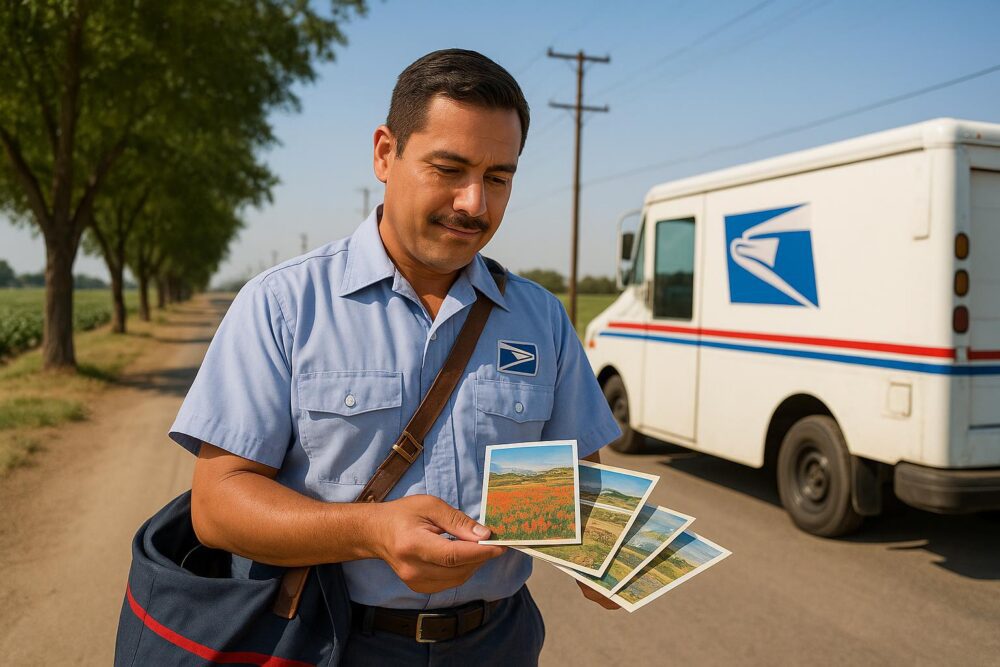
I’ve talked to a few longtime rural carriers. They keep route maps in a weathered binder, marked with sticky notes: “left at the old walnut grove,” “avoid east gate after irrigation.” They remember the regulars who send postcards: a retired teacher in Selma sending annual holiday notes, a farm worker who collects vintage cards. The routes are where memory meets mail.
### How Postcards Reflect Route Geography
A postcard is almost a tiny field report. The handwriting, the stamp choice, the postmark—all of it maps to place. For example, Fresno postcards from the Tower District often feature local landmarks photographed at dusk—neon signs and crowded sidewalks. In contrast, san joaquin postcards you’ll find in small towns depict tractors, row crops, and water towers.
A postal worker told me that postcards from certain ZIP codes get bundled together in one bin—tourist postcards headed out of town, local notes moving just a few miles. That bundling isn’t just efficiency; it affects timing. A postcard folded into the same sack as a stack of bills might move more slowly than one in a priority tote. It’s a small logistics quirk that changes the life of a message.
## The Logistics Behind Fresno Postal Routes And Postcards
Postal logistics are where the romance of a postcard meets the nuts-and-bolts of delivery. The Fresno Processing and Distribution Center processes a huge volume of mail for the Valley. Postcards, because they’re light and cheap to send, often move through automated sorting machines that read ZIP codes and apply cancellation marks. But automation has limits—handwritten addresses or vintage stamps may require human eyes.
When routes are planned, managers try to balance workload: carriers should finish within scheduled hours, especially in Fresno’s summer heat. That affects stop order and how postcards are bundled. A postcard mailed from a tourist stand at a roadside market might be grouped with rural letters headed north, adding a day or two. Conversely, a postcard left at a downtown kiosk could be in the morning truck to the sorting center and drop into the mailbag the same day.
### Weather, Harvests, And Delivery Timing
Weather and agricultural rhythms change delivery patterns. During harvest season, trucks are on the roads for produce and equipment—sometimes slowing mail delivery on smaller routes. Wildfire smoke has lately added another layer. Poor visibility can delay trucks, and carriers will skip nonessential stops if conditions are unsafe. That can mean a postcard intended to cheer up an elderly neighbor arrives late.
Evenings and weekends matter. Postcards mailed on a Thursday afternoon sometimes cross a weekend that pushes delivery into Monday. A quick note sent to say “I’m thinking of you” may arrive a few days after that thought has passed. But there’s a trade-off: in small towns across the Valley, weekend carriers sometimes do a second pass for PO Boxes, so a postcard can turn up in a box when you least expect it.
#### Why Postcards Move Faster In Some Spots
Postcards move faster in areas with high mailbox density and predictable routes. In neighborhoods with many apartments, carriers make rapid progress on foot and drop mail quickly. Also, tourist centers with established vendors often have scheduled pickups—meaning postcards from those vendors go into dispatchers’ trucks on predictable runs. A well-placed postcard rack with regular collection times helps speed things along.
## Fresno Postcards As Cultural Artifacts
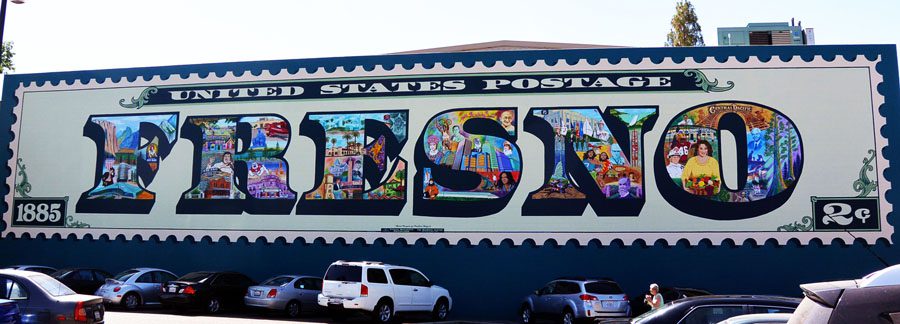
Let’s talk about the postcards themselves. They’re not just mailing matter; they’re tiny cultural documents. Fresno postcards capture the city’s confidence, its change, and its stubborn focus on place. Vintage Fresno postcards show the mid-century optimism—neon signage, classic cars, and the Fresno County Courthouse looking proud. More recent images tilt toward food trucks, festivals, and restored storefronts in downtown Fresno.
Fresno postcards often sell at farmers’ markets, independent bookstores, and museum gift shops. The images are chosen the same way a photographer chooses a frame: what tells the story in one glance? For local artists, postcards are a low-cost way to distribute a visual note. They can be quirky—a watercolor of an avocado orchard, or a shot of a hand-painted sign outside a family-run bakery.
### Deltiology In The Valley
People who collect postcards practice deltiology—a word most folks haven’t heard. Collectors in the San Joaquin Valley look for interesting postmarks as much as images. A rare cancellation from a shuttered post office can make a postcard valuable to a collector. San joaquin postcards from smaller towns, especially those with distinctive cancels, circulate in collector circles frequently.
There are community groups in Fresno and nearby cities who swap, sell, and exhibit postcards. At a recent swap meet, a dealer showed a postcard from the 1930s with a crisp postmark and a message about a train schedule. It was a small slice of local history—whoever wrote it was concerned about catching the same train we take for granted now.
#### Postcards, Memory, And Migration
Postcards tell migration stories. Families who have left home and live in other states send Fresno postcards home for holidays, a way to keep a visual tether. Immigrant communities in the Valley use postcards to mark milestones—birth announcements and festival photos mailed back to relatives abroad. The quickness and low cost of postcards make them ideal for these gestures.
## Where To Find And Send Fresno Postcards
If you want to find fresno postcards, look high-traffic local spots: museums, historic centers, and specialty shops. The Fresno County Historical Museum sells reproductions of older cards, and local galleries sometimes carry independent runs by photographers who focus on neighborhood life.
Tourist stands near national parks often stock san joaquin postcards that emphasize landscape and agriculture. You’ll also find artisan postcard racks at farmers’ markets. These are the postcards that tend to tell more authentic local stories—hand-taken photos, small-print runs, sometimes a smudge of ink where the vendor stamped the seller’s mark.
### Sending A Postcard That Stands Out
If you want your postcard to feel special, choose one with a clear image and a sturdy card stock. Handwrite the address so it’s easy to read; the sorting machines are good, but legibility helps. A personal note on the back matters more than you think—carriers sometimes read snippets. A line like “Remember when the almond trees bloomed by the old canal?” places the recipient in the Valley’s rhythm.
Choose the right stamp. A decorative stamp can make the postcard feel like a keepsake, and it also nudges postal clerks to give it a careful hand-cancel. If you’re sending san joaquin postcards from off the beaten path, ask at the counter when the next pickup is—small vendors don’t always mail daily.
## Postcard Preservation And Local Archives
Postcards are fragile. Here in the Valley, where heat and dust are constant, preservation matters. Local archives and historical societies work to collect and conserve older postcards. The state and county archives accept donations that document agricultural history, town development, and migration patterns.
Archivists look at more than just the image. The back tells where the postcard was mailed, the handwriting style, even the type of ink used. Those details help date the card and connect it to broader narratives—labor history, the growth of irrigation systems, the building of highways. If you have family postcards, you might be sitting on primary sources that matter to researchers.
### Small Tips For Keeping Postcards
Store them in acid-free sleeves. Keep them out of sunlight. If a postcard has been stuck into an old scrapbook with glue, leave it to a professional—attempting to peel it out can cause irreversible damage. For everyday display, laminate digital scans instead of the originals. People often underestimate how quickly paper can degrade in Valley heat; humidity control helps.
## Community Projects That Use Postcards
Local nonprofits have started using postcards as outreach tools. A neighborhood housing project might mail postcards promoting a community fair. Agricultural extension offices use postcards to remind farmers about workshops. Those projects use the same postal routes that have carried family notes for generations—so the postcard as a medium remains practical and human-scaled.
You’ll also see creative projects that mail art on postcards. Community arts organizations collect postcard-sized works to mail to nursing homes or to trade with artists in other regions. The tactile nature of a postcard is part of its appeal; in an era dominated by screens, a physical card matters.
#### Postcard Campaigns And Local Politics
Postcards have a political life too. Local campaigns sometimes use postcards to reach voters cost-effectively. Targeted postcard drops in specific ZIP codes rely on the granular knowledge of postal routes. Campaign volunteers learn which routes cover mobile home parks, which serve college neighborhoods, and which are mostly rural farmsteads.
That local knowledge is important. A postcard meant for a farm labor crew might be better placed in a common room or delivered to a community bulletin board, rather than relying solely on residential delivery patterns.
## Where Fresno Postal Routes And Postcards Meet History
The San Joaquin Valley’s story is written in many small hands. Postcards are one way that story gets written and delivered. When you collect or send a card, you participate in that history: choosing an image, writing a line, stamping it, and trusting the route. That trust is baked into the system. Routes change, post offices close, but postcards still find their way.
If you’re hunting fresno postcards or tracing san joaquin postcards for a collection, map the postmarks as much as the images. The cancel tells you where the card actually entered the system. Look for odd town names that have since merged into larger ZIP codes. Pay attention to handwriting styles—those are social clues. And if you can, talk to a carrier. They’ll tell you which postcards are the most delightful to deliver. You’ll also learn which boxes collect the most returned-to-sender items and why people forget to update their address when they move.
There’s a small human error in every system; sometimes a postcard returns because the sender forgot to add a numeral, or the street sign was faded. Those quirks make the life of a postcard interesting. I once saw a postcard end up at a neighbor’s house because someone across the street had the same last name. The neighbor laughed and taped the card by the door for the rightful recipient. It’s how mail becomes community, messy and all, and why peoplestill save postcards in shoeboxes.