## San Joaquin Valley Irrigation History And Local Practices
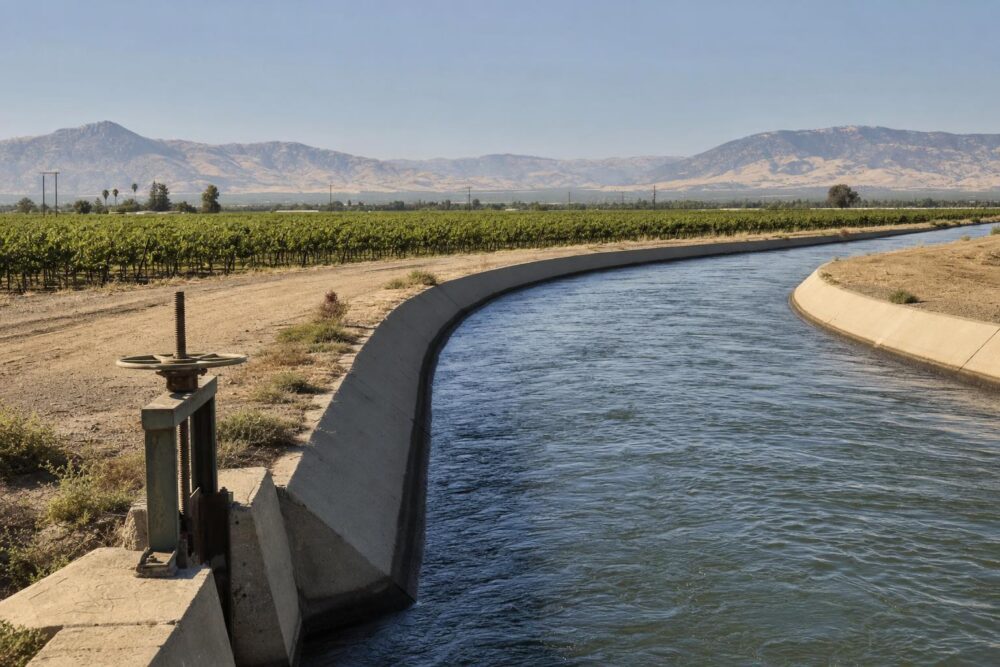
The san joaquin valley irrigation history isn’t a single story. It’s a stack of small projects, big dams, lawsuits, and experiments that changed who could grow what, where. Walk along Fresno’s canals and you still see the fingerprints of late 19th-century ditch companies next to mid-20th-century federal projects. The layering is obvious once you start looking.
### From Seasonal Floods To Dug Canals
Before Euro-American engineering arrived, Yokuts and other tribes managed water by working with it: seasonal fishing, reed beds along sloughs, and moving camps to follow floodplains. That early irrigation history was about mobility and observation, not canal grids.
Spanish and Mexican eras introduced a different idea: permanent fields tied to ranchos. After statehood, land speculators and agricultural entrepreneurs accelerated change. Small wooden flumes gave way to earthen canals as settlers dug channels to move mountain snowmelt into the plains. That shift is a big chapter in san joaquin valley irrigation history — when dryland wheat fields started turning into orchards and vegetable farms.
#### Early Companies And The Canal Boom
In the 1870s and 1880s, private companies built canals to sell water rights. Names like Fresno Canal and Irrigation Company show up on old maps. Investors pitched the valley as a future breadbasket: buy a parcel, plug into a canal, and plant fruit trees. The result was patchwork irrigation — good where a canal reached, parched elsewhere. Those early canals still outline neighborhoods and property lines in Fresno County.
### Dams, Projects, And Centralized Water
The 20th century hardened the valley’s water economy. The Central Valley Project and later the State Water Project brought federal money and large infrastructure. Friant Dam, built in the 1940s, rerouted the San Joaquin River to irrigate the east side of the valley, and that decision reshaped who got water and how much. When you trace san joaquin valley irrigation history through that period, two themes stand out: scale and redistribution. Projects moved vast volumes, but they also concentrated control.
Irrigation networks got tangled with politics. Water districts formed, bonds passed, and water contracts became political currency. The san joaquin irrigation networks that big farms depended on were the reason towns like Fresno grew into agricultural service hubs — packinghouses, cold storage, and a workforce to match.
#### Groundwater: The Quiet Workhorse
Surface projects can be flashy. Groundwater quietly became the valley’s fallback. Pumps multiplied through the mid-20th century. During drought years, wells would run nonstop. Over decades, the water table fell. Some areas experienced subsidence — the land literally sank where excessive pumping compacted aquifer sediments. That subsidence still cracks roads and ruins well casings. These are the less romantic parts of irrigation history, the costs that show on tax bills and county repair plans.
### Crop Shifts And Economic Consequences
Irrigation changed cropping patterns. Wheat fields gave way to high-value tree crops: grapes, almonds, and peaches. Fresno’s orchards turned into global suppliers. The math was simple: water buys higher returns per acre. But the switch made the valley vulnerable. Tree crops lock farmers into long-term water commitments. During dry stretches, orchards suffer slowly and painfully. The san joaquin irrigation story is as much about market choices as it is about canals.
#### Environmental Aftershocks
Engineers designed canals and dams without fully accounting for ecology. The San Joaquin River, once a salmon corridor, dried in stretches below Friant. Wetlands that buffered floods and hosted migratory birds were drained for agriculture. Environmentalists pushed back, and restoration efforts began to reshape the conversation. When agencies talk about san joaquin valley irrigation history now, they also talk about reconciling food production with species recovery and tidal marsh restoration.
### Policy, Law, And Modern Management
By the 21st century, three forces dominated policy: shortage, science, and regulation. Droughts tightened deliveries. Groundwater science improved, revealing the cumulative harm of overdraft. Laws followed: the Sustainable Groundwater Management Act (SGMA) requires local agencies to balance their basins. That’s a major chapter in recent irrigation history: communities are now forced to plan reductions in pumping rather than hoping markets or programs will fix things for them.
San Joaquin irrigation today involves water transfers and trading, fallowing programs, and investments in efficiency. Some growers shift from flood irrigation to drip systems. Others sell water to municipalities. The shift isn’t painless. Converting from flood to micro-irrigation costs money, and not every crop or farm can adapt quickly.
#### Technology And Small-Scale Innovation
There’s real innovation on the ground. Sensors measure soil moisture so growers irrigate only when needed. Variable-rate sprinklers tailor water to each row. Small projects test managed aquifer recharge: intentionally spreading excess winter water into basins to replenish groundwater. Those programs link old canals with a new purpose — temporary storage for floods rather than just conveyance for irrigation.
### Social And Cultural Layers
Don’t overlook people. San Joaquin Valley irrigation history includes labor migrations, immigrant communities, and the rise of towns around packing plants. The valley’s identity is entangled with water access. When wells fail or allocations drop, it’s not an abstract loss — it’s lost wages, school funding shortfalls, and demographic shifts. In parts of Tulare and Kings counties, shallow domestic wells have run dry during severe droughts. That’s where policy meets daily life.
#### Local Narratives And Media Coverage
Local papers like the Fresno Chronicle have chronicled these changes for decades. Reporting often shifts from technical to human stories: an elderly grower watching his orchard die, a city negotiating for water from far-away reservoirs, or activists copying old maps to show where rivers used to run. Those articles become a secondary archive for the san joaquin valley irrigation history — accessible snapshots that capture both policy and pulse.
### Looking Back To Move Forward
The san joaquin valley irrigation history is messy. It contains clever engineering, persistent overuse, economic reinvention, and hard-won regulation. If you stand on a levee near Fresno today, you can see canals, orchards, and the occasional flooded recharge basin — all layered evidence of choices made over 150 years. Some choices were short-term fixes. Others created blindspots that policy is only now trying to correct.
People still debate the right balance between agriculture, cities, and nature. Rarely do those debates feel abstract. They unfold in county boardrooms, in irrigation district meetings, and at the edge of a cracked well casing. The valley’s future water story will depend on local action, state policy, and the quiet mechanics of pumps and pipes. For anyone interested in san joaquin valley irrigation history, that mix of engineering, economy, and everyday life is where the real lessons are. It’s also where the next chapters will be written, sometimes in plain sight and sometimes in the small print of water contracts that few read. The vally keeps changing; so does the way we manage its most precious resource, and the record of how we got here will stick around in maps, headlines, and the worn banks of old canals—just ask a freamer or two who remembers when irrigation was mostly about hauling buckets and hope.