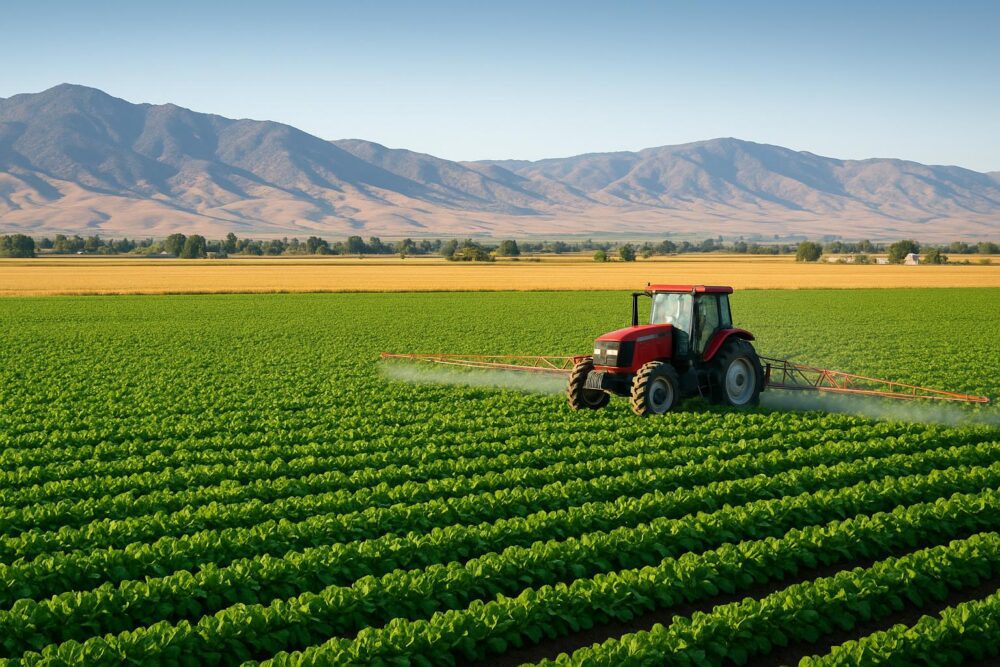
## San Joaquin Valley Agriculture Development History: From Marshes To Orchards
The San Joaquin Valley didn’t turn into America’s breadbasket by accident. The phrase san joaquin valley agriculture development history points to a long sequence of decisions, engineering, migration, and markets that remade land and labor. You can trace it in a few clear episodes: native use of the valley, Spanish and Mexican land grants, the irrigation era, the rise of industrial-scale farming, and the modern pressure of water and environmental policy.
### Indigenous Land Use And Early Observations
Before settlers, Miwok, Yokuts, and other tribes managed the floodplains with seasonal patterns. They burned tule marshes to encourage game, harvested acorn and camas, and fished the sloughs that skirted the San Joaquin River. Early European explorers noted rich soils and sweeping wetlands rather than tidy fields. That mattered. The physical reality of a shallow river, periodic inundation, and a huge, seasonally variable lake — Tulare Lake — set constraints that engineers later tried to eliminate.
### Spanish Ranchos And The Shift Toward Private Ownership
Granting huge ranchos under Spanish and Mexican rules in the 18th and early 19th centuries put land under a few families. Cattle replaced small-scale, diverse gardens. When the United States took control, land parcels began to be subdivided. That fragmentation made it easier to introduce crops that needed finer attention: orchards, vineyards, and truck farms. The economics were changing fast by the mid-19th century.
## Irrigation Engineering And The Rise Of Modern Valley Agriculture
The central pivot in san joaquin valley agriculture development history is water. Without irrigation, the valley was a mixed grassland with some excellent patches but not the contiguous farmland it is now. Starting with private ditch companies in the late 1800s and moving to large federal projects in the 20th century, irrigation created the asset farmers needed.
### Private Ditches, Reclamation, And The Central Valley Project
In the 1870s and 1880s entrepreneurs dug canals and offered plots with promises of water. The Reclamation Act of 1902 channeled federal dollars into the West and launched the Central Valley Project decades later. Friant Dam, Shasta, and the network that followed diverted spring snowmelt to sun-baked fields. San Joaquin agriculture shifted from dryland grain and pasture to higher-value crops: peaches, grapes, and eventually almonds.
### Groundwater Pumping And Agricultural Expansion
Surface water never fully met demand. Farmers drilled wells and tapped aquifers. That higher yield came at the cost of overdraft, land subsidence, and disappearing baseflows in rivers. This pattern is central to the san joaquin valley agriculture development history: a short-term gain from pumping that led to longer-term headaches for infrastructure and ecosystems. By the late 20th century regulators and growers both had to face the consequences.
#### Dam Projects And Canal Networks
The technical side is stuffed with names: Friant, Oroville, Delta-Mendota Canal. Each structure rerouted water, changed floodplain dynamics, and allowed orchards and row crops in places that were once too wet or unreliable. The Delta itself became both a source and a chokepoint, politically and hydrologically.
### Irrigation’s Effect On Crop Choices
Irrigation changed crop selection. Where alfalfa and wheat once predominated, orchards and permanent plantings took over. Value per acre rose — and so did the stakes. Almonds, pistachios, and grapes reward long-term investment, so once those trees go in, farmers are reluctant to remove them even during drought. That lock-in is a recurring line in discussions about valley agriculture and resource allocation.
## Labor, Migration, And The Human Side Of Production
You can’t talk about san joaquin valley agriculture development history without talking people. Labor shaped what was feasible and profitable. Seasonal harvests required a mobile workforce; that need influenced immigration patterns and social institutions across the valley.
### Early Labor Sources And Mechanization
In the late 19th and early 20th centuries, Chinese and later Japanese immigrants worked fields and built irrigation infrastructure. Post-World War II mechanization reduced some manual jobs but increased the scale that farms could operate. The Bracero program during World War II brought many Mexican laborers who helped harvest cotton, fruit, and vegetables. Over time, farms combined mechanization with a year-round labor force in packinghouses and dairies.
### Community Formation And Labor Rights
Towns like Fresno, Hanford, and Bakersfield grew around processing and shipping centers. Labor organizers pushed for better wages and conditions; strikes and union drives appear repeatedly in valley history. These conflicts influenced crop choices as well — labor-intensive crops fell when mechanization could replace pickers, while others remained stubbornly human-dependent.
## Crop Transitions: Cotton, Citrus, And The Almond Boom
The valley has gone through waves of dominant crops, each wave reflecting technology, market demand, and water policy.
### 19th And Early 20th Century Staples
Cotton and sugar beets were early staples in some counties. They fit transportation networks and commodity markets. Dairying expanded in the west side where pasture and silage were easy to produce. Each of these sectors left infrastructure that later industries repurposed.
### The Rise Of Tree Crops
By mid-century, citrus and grapes took hold in the southern parts of the valley. Later, almonds and pistachios exploded. Almonds deserve special attention: as export markets grew and mechanized harvests became common, almond acreages surged. That boom is a clear chapter in san joaquin valley agriculture development history. It reshaped water use, wiped out some crop diversity, and tied local fortunes to global demand and pollination logistics.
#### Processing And Research Centers
UC Davis, county extension offices, and private packers all contributed to improving varieties, irrigation practices, and pest control. Those institutions are the scaffolding that allowed rapid scaling of crops like almonds and grapes. Research into rootstocks, for example, helped growers succeed in challenging soils and salinity conditions.
## Water Politics, Environmental Regulation, And Legal Battles
The valley’s transformation created winners and losers. Water fights are constant and often bitter.
### Delta Conveyance, Contracts, And Legal Precedent
Agreements and contracts written during boom years didn’t foresee climate change and a multi-decade drought. Court cases about water rights, endangered species protections for salmon and smelt, and federal-state tensions all appear in the san joaquin valley agriculture development history. When flows are cut for environmental reasons, growers worry about contractual obligations to their lenders and packing houses.
### Groundwater Management And Policy Responses
In the 21st century, sustainable groundwater management laws tried to rein in overdraft. Implementing those laws required measurements, reductions, and financial pain for some operators. Well conversions, fallowing, and water trading became part of the toolkit. Expect this chapter to be a long-running one: legal frameworks now exist but adapting to them is messy.
## Environmental Consequences And Restoration Efforts
Agricultural growth displaced wetlands, reduced habitat, and altered river hydrology. Tulare Lake, once central to valley ecology, was drained. Species declined. In reaction, conservation groups and some forward-thinking districts started restoration projects.
### Rewetting Floodplains And Habitat Reconnection
A new set of projects looks to reconnect rivers to floodplains during high-water years, not as agricultural supply but to restore spawning habitat for fish and recharge groundwater. Those projects are expensive and politically fraught. They require trade-offs between short-term production and long-term ecosystem health.
### Air Quality And Dust From Fallowing
When fields are fallowed or when groundwater pumping causes subsidence, dust and air quality problems increase. The valley already struggles with some of the worst air pollution in the nation, and agricultural practices interact with urban sources to produce that result. Mitigation often involves cover crops, reduced tillage, or controlled burning bans.
## Market Forces And Global Integration
Global markets turned local decisions into international ones. Export demands influenced what was planted, and commodity prices dictated when irrigation got prioritized.
### Supply Chains And Consolidation
Packing houses, processors, and transportation links concentrated in certain hubs. Larger operations could negotiate better freight rates and access to export channels. Consolidation changed community life; there are fewer independent operators now than mid-century. Still, family farms remain a visible and influential part of the landscape.
### Trade, Pests, And Biosecurity
Export markets bring the risk of pests and phytosanitary restrictions. A single quarantine event can close a market and drop prices. Research and regulatory compliance thus became core parts of farm economics, not just growing.
## Technology, Precision Farming, And Future Directions
Precision irrigation, remote sensing, and genetic improvements are not just buzzwords. They get used on thousands of acres to squeeze more yield from less water. Drones scan orchards for disease. Soil moisture sensors trigger micro-irrigation systems. These technologies appear in the latest chapters of san joaquin valley agriculture development history, even if uptake varies by farm size.
### Data-Driven Decisions And Shared Infrastructure
Some districts now run shared data platforms that allow coordinated pumping and recharging plans. That cooperation is new in a place long defined by competitive water grabs. It reflects a pragmatism: without collective action, the system degrades for everyone.
#### Private-Public Partnerships And Funding
Funding for upgrades often comes from mixes of state grants, federal programs, and private investment. That hybrid financing helped build modernization projects that individual farms could not afford alone.
### Labor Shifts And Automation
Mechanical harvesters for almonds and other tree crops have reduced reliance on seasonal pickers. This is a double-edged sword: fewer jobs but lower unit costs and steadier yields for growers. The social fabric of rural communities changes when seasonal migratory work shrinks.
## Ancillary Industries: Dairies, Food Processing, And Logistics
Far beyond fields, san joaquin agriculture shaped packinghouses, feed mills, and cold storage. Trucking routes to ports in Oakland and Long Beach, rail spurs, and regional processing centers all grew with agricultural output. These industries brought jobs and infrastructure that outlast single-crop booms.
### Innovation Hubs And Agricultural Education
Colleges, extension services, and private incubators in the valley fostered innovation. Whether it was a new rootstock or a packing technique that reduced bruising, those small gains summed into large economic advantages.
The story of the san joaquin valley agriculture development history is messy and ongoing. It threads together engineering, legal fights, migrant labor, and market shifts while continually reshaping land and water. You can see the outcomes in orchards that stretch to the horizon, in rivers that no longer follow natural courses, and in towns built around packing sheds and dairies. Occassionally, when rains come hard, the old floodplain hints at what used to be, a reminder that the valley’s transformation was deliberate and reversible in certain ways.