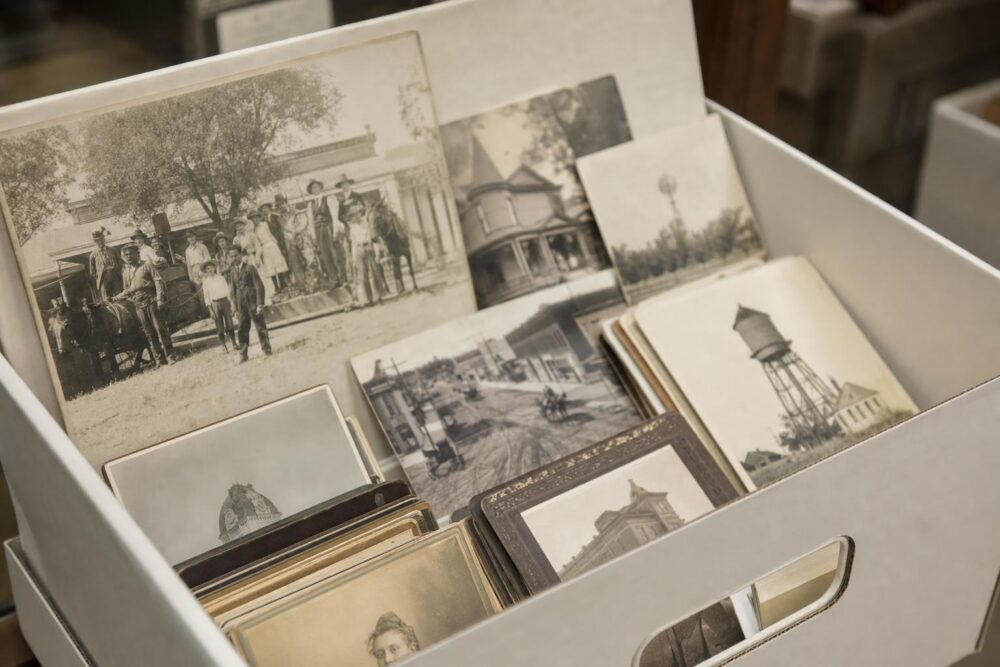
You can find a lot by squinting at a photograph taken in 1912 and pretending you’re standing where the photographer stood. The Fresno Photo Archive is full of those moments — small, stubborn details that tell you a neighborhood’s real history, not the sanitized version that shows up in brochures.
## Exploring The Fresno Photo Archive 1910s
If you search the fresno photo archive 1910s, you won’t just get postcards of Main Street. You’ll find sap-stained bills on a barber’s wall, a bored kid with a peach-stained shirt, and a wagon that’s been repurposed as a milk stand. Those images make the decade feel lived-in. They also complicate what we think we already know about Fresno in the 1910s.
Look for contrasts. A single photograph might show an elegant two-story storefront and, around the corner, a dirt alley where children chase chickens. The archive preserves both. In one image you can almost read the shopkeeper’s handwriting on a ledger propped near the doorway. In another, a young woman in an oversized hat looks directly at the camera, giving a rare, candid glimpse into private poise and public expectation.
### Street Life And Downtown Portraits
Downtown photos from the period are noisy, even when they’re silent. Flags hang from lampposts; newspapers are piled outside storefronts; horses and early automobiles share the same lanes. These are not staged tourist shots. They show how people navigated change. A street scene from 1916 might capture a streetcar track cutting through an intersection and a lumber wagon parked beside it. That juxtaposition tells you about pace and priority—where money was being spent and where it wasn’t.
Portraits tucked into the archive are worth lingering over. Local business owners posed with their tools. A barber’s portrait includes a straight razor and a proud stare. Women appear with the fashions of the era—high collars, long skirts—but their hands often tell another story, callused in ways modern viewers wouldn’t expect. These small cues are the archive’s quiet testimony.
### Farms, Orchards, And Labor
Fresno 1910s photos of agriculture look bucolic at first glance. Rows of fruit trees, neat irrigation canals, and pickers smiling in the sun. But the archive also includes the less picturesque stuff: temporary worker camps, makeshift tents, and the tools people relied on. An image of a peach packing shed reveals more than the fruit; it shows labor organization, lines of crates, and the early industrial side of farming.
Look for the human presence. A tractor is meaningful, but the faces behind the crates explain how work was distributed. Many images show immigrant laborers whose names are seldom recorded. Their bodies and postures become primary sources when written records are thin. If you’re studying Fresno 1910s labor practices, these photos shift assumptions. They show who worked, where labor was concentrated, and how families adjusted to seasonal rhythms.
### Ethnic Communities And Daily Rituals
The fotographs in the archive bring forward neighborhoods that city planners later erased or transformed. There are images of Japanese market stalls, Chinese laundries, and Armenian family gatherings. These photos are more than cultural curiosities. They document business networks and patterns of settlement.
A Fresno 1910s photo of a birthday celebration, for example, shows how public rituals maintained cultural continuity. The table settings, the types of food, and the clothing choices all register differences and adaptations. These details let researchers trace migration patterns and community resilience. If you want to see how identity was performed and maintained, these images are essential.
#### Reading Signs And Shopfronts
Small details matter. Store signage tells you what services were in demand. A single storefront might list a barber, a tailor, and “house calls” under one awning. Paper advertisements pasted to doors show what goods flew off shelves. Sometimes you can date an image by a product brand that didn’t exist after a certain year. People wrote their contact details on boards. Those scrawls can lead you to directories, tax filings, or family records.
### Transportation, Infrastructure, And Change
Fresno 1910s photos are valuable for tracking the city’s infrastructure choices. Tracks, bridges, and newly paved streets are markers of investment. Compare an image of a levee repair crew with city council minutes from the same year and patterns emerge. The archive allows you to see decisions as lived experiences.
You’ll also notice micro-inventions: a modified horse harness, a repurposed shipping crate turned into a child’s cart. These are improvisations that official records overlook. They reveal how people adapted technologies to local needs and limited resources.
### Architectural Details You Miss At First Glance
Old buildings are full of narratives. A cornice carved with a builder’s initials, a repaired brick pattern, or an unexpected color under peeling paint can signal immigrant craftsmanship or local trades. Take a second look at porches and stoops. The way people stored goods on porches or displayed plants tells you how space was used.
The archive’s architectural fotos show both lost structures and those that survived adaptive reuse. Sometimes, a single photograph is the only visual record left of a building demolished in the 1950s. Preservationists use these images to reconstruct façades and to argue for historical significance.
#### How To Read A Photograph
First, stay skeptical about what you see. A staged studio portrait represents an identity someone wanted to present. A candid street scene can still be composed by the photographer. Check edges of the frame. Are there clues outside the main subject? Look for shadows to estimate time of day. Study clothing to narrow season or year. Pay attention to repetitions—signs, crates, or tools that appear across multiple photos. These patterns offer bigger insights than any single snapshot.
### Research Paths The Archive Opens
If you’re a family historian, scavenging for a single portrait of a great-grandparent, start with business directories and cross-reference addresses. For a cultural historian, look for repeated motifs across disparate neighborhoods. Urban planners will find useful data on the distribution of parks, markets, and transport nodes.
The fresno photo archive 1910s is not a finished story; it’s a collection of prompts. Use it to ask specific questions: Where did seasonal workers live? How did shops advertise to bilingual communities? What public rituals marked festivals or elections? The answers won’t always be neat, but they’ll be grounded in visual evidence.
### Practical Tips For Diving In
Bring patience. Digitized collections are great, but physical prints hold more: texture, marginal notes, and sometimes pencil marks that hint at later cataloging decisions. When you find an image you like, note any numbers or annotations on the back. Those can lead to accession records or donor files. Don’t assume captions are infallible; catalogers made mistakes.
Plan your visits. Time your search around finding aids or the archive staff’s expertise. Ask archivists about related collections—maps, ledgers, or newspapers that complement the photos. If you’re working remotely, request high-resolution scans and metadata. Metadata often contains the timestamp you need, or at least the photographer’s name.
### Stories Waiting To Be Told
Files labeled with dry dates suddenly become intimate when paired with family letters or city ordinances. A photograph of a schoolyard from 1914 gains life when you find a report of a local health campaign from the same year. Those overlaps are where fresh narratives appear. The fresno photo archive 1910s is full of these intersections, but you have to chase them.
If you keep looking, you’ll find images that contradict tidy histories. That’s a good thing. These photographs are stubborn reminders that history is layered, messy, and often right under our noses, waiting for someone to recieve the signal and piece the fragments together.